February 19, 2026
Vehicle owners often look for ways to improve comfort, safety, and appearance without making extensive modifications. One upgrade that accomplishes all three is auto glass tinting. While many people initially associate tinted windows with style and visual appeal, the practical advantages reach far beyond aesthetics. Properly installed tint can improve driving comfort, reduce interior wear, enhance security, and contribute to overall vehicle longevity.
Modern tinting technologies have advanced significantly, offering drivers solutions that address both environmental and safety concerns. From shielding passengers from harsh sunlight to providing additional protection during accidents, auto glass tinting has become a valuable investment for drivers seeking both performance and protection. Understanding its benefits, legal considerations, maintenance requirements, and selection options can help vehicle owners make informed decisions that suit their needs.
What Are the Benefits of Auto Glass Tinting?
One of the most noticeable benefits of auto glass tinting is heat reduction. During hot weather, vehicles can quickly become uncomfortable and even dangerous due to rising interior temperatures. Window tint films are designed to block a significant portion of solar heat, helping regulate the interior climate. This allows drivers to rely less on air conditioning, which can improve fuel efficiency and reduce strain on the vehicle’s cooling system.
Another major advantage is ultraviolet (UV) protection. Prolonged exposure to UV rays can cause skin damage and accelerate the fading and deterioration of interior surfaces such as upholstery, dashboards, and trim materials. According to Kelley Blue Book, ceramic, carbon, and metallic window tint films all reject up to 99% of UV rays. This level of protection not only supports passenger health but also helps preserve the vehicle’s interior condition over time.
Auto glass tinting also enhances privacy. Tinted windows make it more difficult for outside observers to see into the vehicle, which can help protect personal belongings left inside. Drivers and passengers often feel more secure knowing their activities and valuables are less visible to potential thieves or curious onlookers.
Glare reduction is another practical benefit. Bright sunlight and headlights from other vehicles can create dangerous driving conditions, particularly during sunrise, sunset, or nighttime travel. Tinting reduces glare by filtering incoming light, allowing drivers to maintain better visibility and reducing eye strain. This improved visibility contributes to safer and more comfortable driving experiences, especially on long trips or during challenging lighting conditions.
How Does Auto Glass Tinting Enhance Vehicle Safety?
Beyond comfort and aesthetics, auto glass tinting contributes to vehicle safety in several important ways. One of the primary safety features is its ability to reinforce window glass. In the event of an accident, tint film helps hold shattered glass together, reducing the risk of flying shards that could injure passengers. This added layer of protection can help minimize harm during collisions or unexpected impacts.
Another safety advantage is theft deterrence. Criminals often target vehicles when they can clearly see valuable items inside. Auto glass tinting limits visibility into the vehicle, making it harder for potential thieves to assess whether valuable items are present. By increasing uncertainty, tinted windows can reduce the likelihood of break-ins and theft attempts.
Additionally, tinted windows help maintain driver focus by minimizing distractions caused by excessive sunlight or glare. When drivers can see more clearly and remain comfortable, they are better equipped to respond quickly to sudden road hazards. Improved visibility can enhance reaction times, which plays a vital role in preventing accidents.
Auto glass tinting also contributes to passenger safety by reducing exposure to harmful sunlight during extended travel. Passengers, especially children and individuals with sensitive skin, benefit from the protective barrier created by quality tint films. By blocking excessive solar radiation, tinted windows help create a safer and healthier cabin environment.
What Are the Legal Regulations Surrounding Auto Glass Tinting?
While auto glass tinting offers numerous benefits, it is essential to understand the legal regulations governing its use. Tinting laws vary widely depending on the region, state, or country. These regulations typically focus on Visible Light Transmission (VLT), which measures how much light can pass through tinted windows.
Most jurisdictions establish specific VLT limits for different windows on a vehicle. For example, front windshields and front side windows often have stricter requirements to ensure drivers maintain adequate visibility. Rear windows and back windshields may allow darker tint levels, depending on local laws. Failing to comply with these regulations can result in fines, mandatory tint removal, or failed vehicle inspections.
Some areas also regulate reflective tint films that create a mirror-like appearance. Excessively reflective tints can interfere with visibility for other drivers and are often restricted. Additionally, certain colors or specialty films may be prohibited due to safety concerns.
Vehicle owners considering auto glass tinting should research local laws before installation. Professional tinting services typically stay updated on regional regulations and can recommend compliant options. Working with experienced installers helps ensure that the selected tint meets legal standards while still delivering desired performance benefits.
How Do You Maintain and Care for Tinted Auto Glass?
Proper maintenance is essential to preserve the appearance and effectiveness of auto glass tinting. Immediately after installation, tint films require a curing period during which the adhesive bonds fully to the glass. During this time, vehicle owners should avoid rolling down windows or applying pressure to the tinted surfaces.
Cleaning tinted windows requires gentle techniques and appropriate products. Ammonia-based cleaners can damage tint films by causing discoloration or peeling. Instead, drivers should use mild, tint-safe cleaning solutions combined with soft microfiber cloths. Gentle cleaning prevents scratches and helps maintain the clarity and longevity of the film.
Regular inspections can also help detect early signs of wear or damage. Bubbling, peeling, or discoloration may indicate installation issues or prolonged exposure to harsh conditions. Addressing these problems promptly can prevent further deterioration and extend the lifespan of the tint.
Parking practices also play a role in maintaining auto glass tinting. Whenever possible, parking in shaded areas or covered garages reduces prolonged exposure to intense sunlight. Although high-quality tint films are designed to withstand solar radiation, minimizing extreme conditions helps preserve their performance and appearance.
How Can You Choose the Right Tint for Your Vehicle?
Selecting the right auto glass tinting involves evaluating several factors, including performance, appearance, and personal preferences. One of the most important considerations is the VLT percentage. Lower VLT percentages allow less light to pass through, resulting in a darker tint. Drivers must balance their desired level of privacy and heat reduction with legal requirements and visibility needs.
Climate conditions also influence tint selection. Drivers in regions with intense sunlight and high temperatures may benefit from advanced ceramic or carbon films that offer superior heat rejection and UV protection. These high-performance films provide enhanced comfort without necessarily requiring extremely dark tint levels.
Durability and quality are equally important when choosing tint materials. Premium films often include multiple protective layers that resist fading, bubbling, and discoloration. Although high-quality options may have higher upfront costs, they typically deliver longer-lasting performance and improved overall value.
Appearance preferences also play a role in the selection process. Some drivers prefer subtle, lightly tinted windows that maintain a factory appearance, while others seek darker shades for enhanced privacy and style. Auto glass tinting is available in a variety of finishes, allowing vehicle owners to customize their look while maintaining functional benefits.
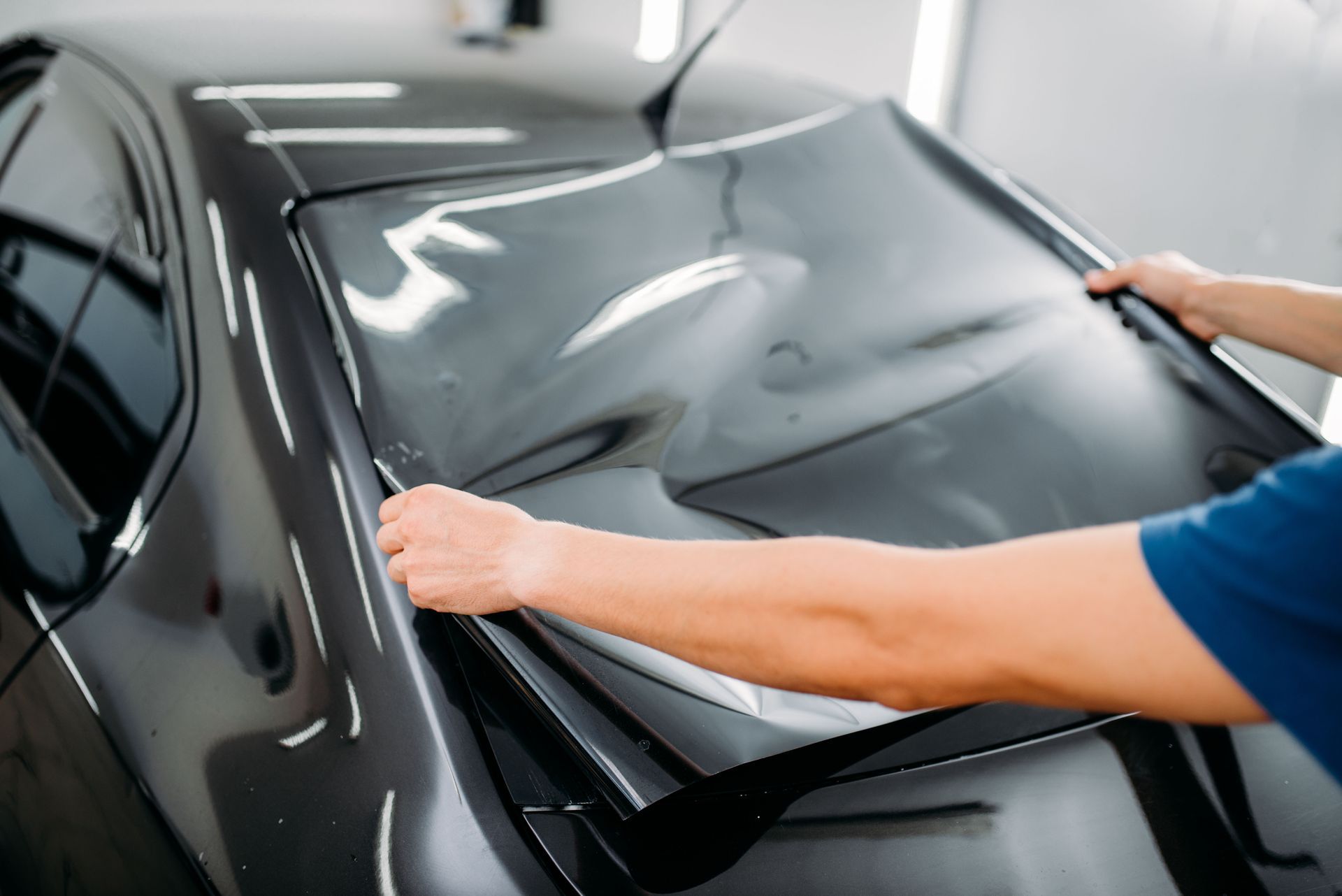
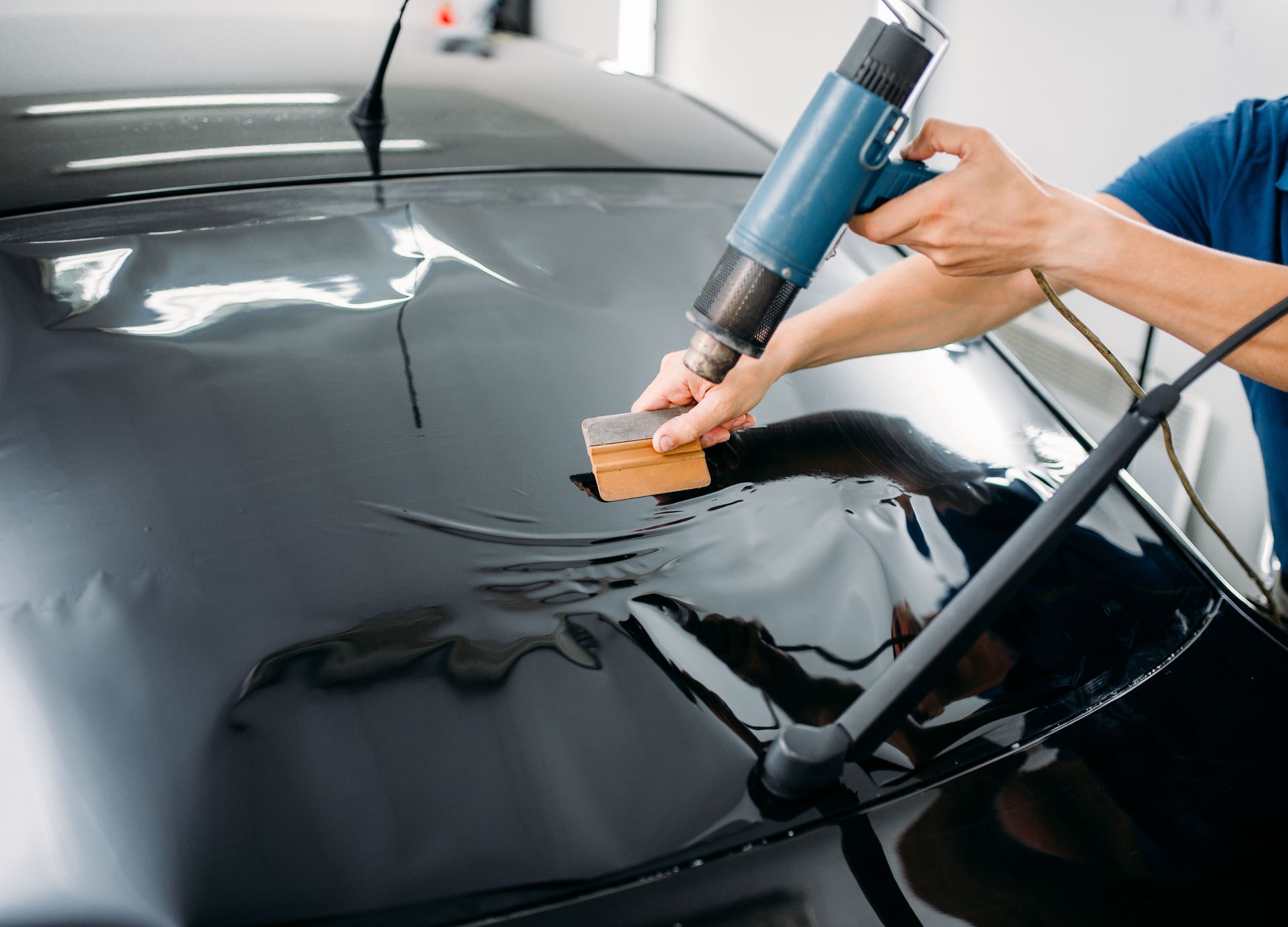
Professional installation is another key consideration. Experienced technicians ensure proper film application, reducing the risk of bubbles, uneven edges, or premature failure. Quality installation maximizes the effectiveness of
auto glass tinting and helps ensure that the film performs as intended.
Auto glass tinting provides far more than visual enhancement. It delivers critical benefits, including heat reduction, UV protection, improved safety, increased privacy, and interior preservation. By understanding legal requirements, practicing proper maintenance, and selecting high-quality materials, vehicle owners can maximize the advantages of tinted windows. Investing in professional tinting solutions supports both driver comfort and long-term vehicle protection, making it a practical and valuable upgrade for modern vehicles. If you're considering window tint, reach out to the professionals at Quality Window Tint today!